Common Molds and Where They Are Found
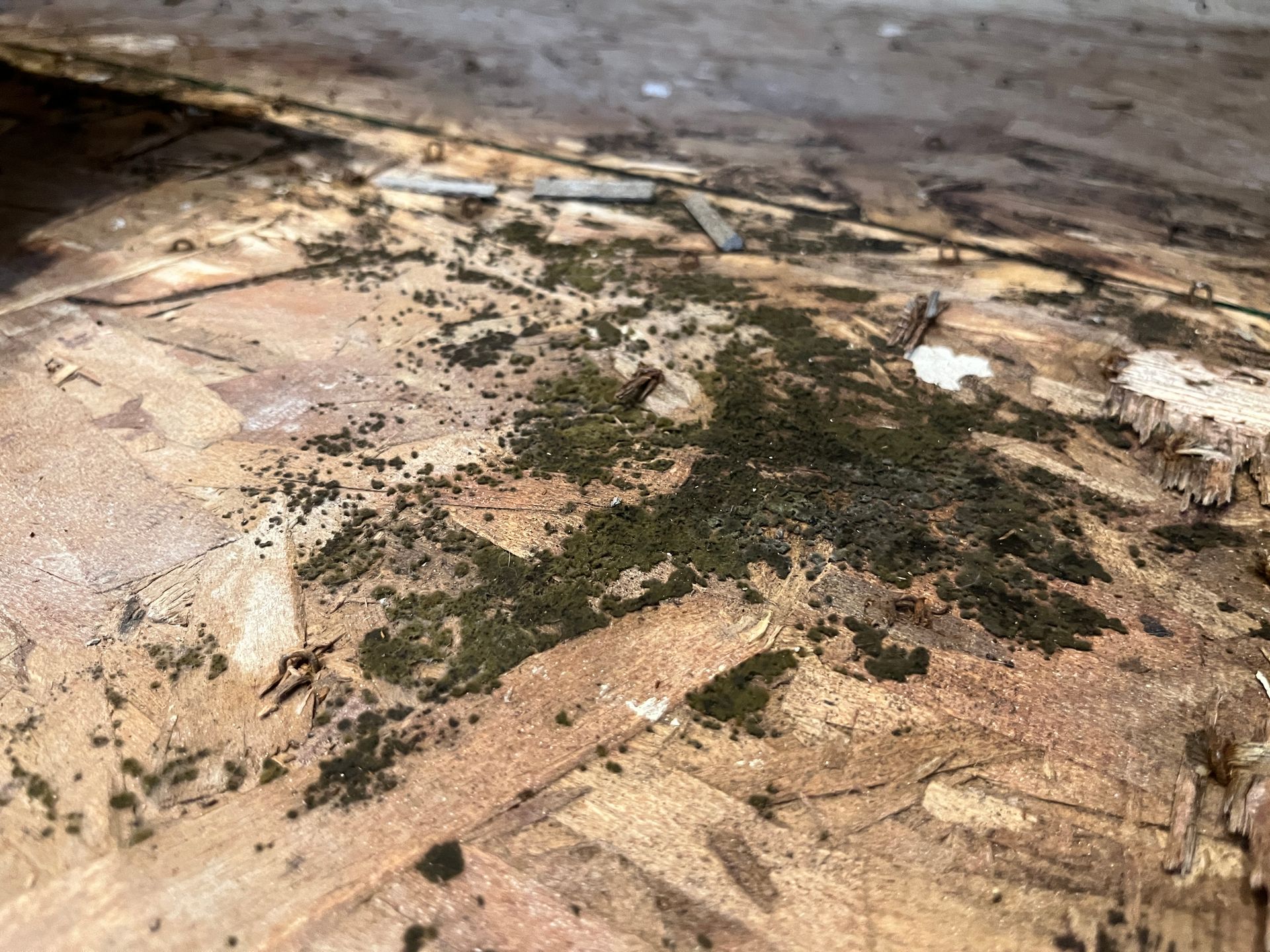
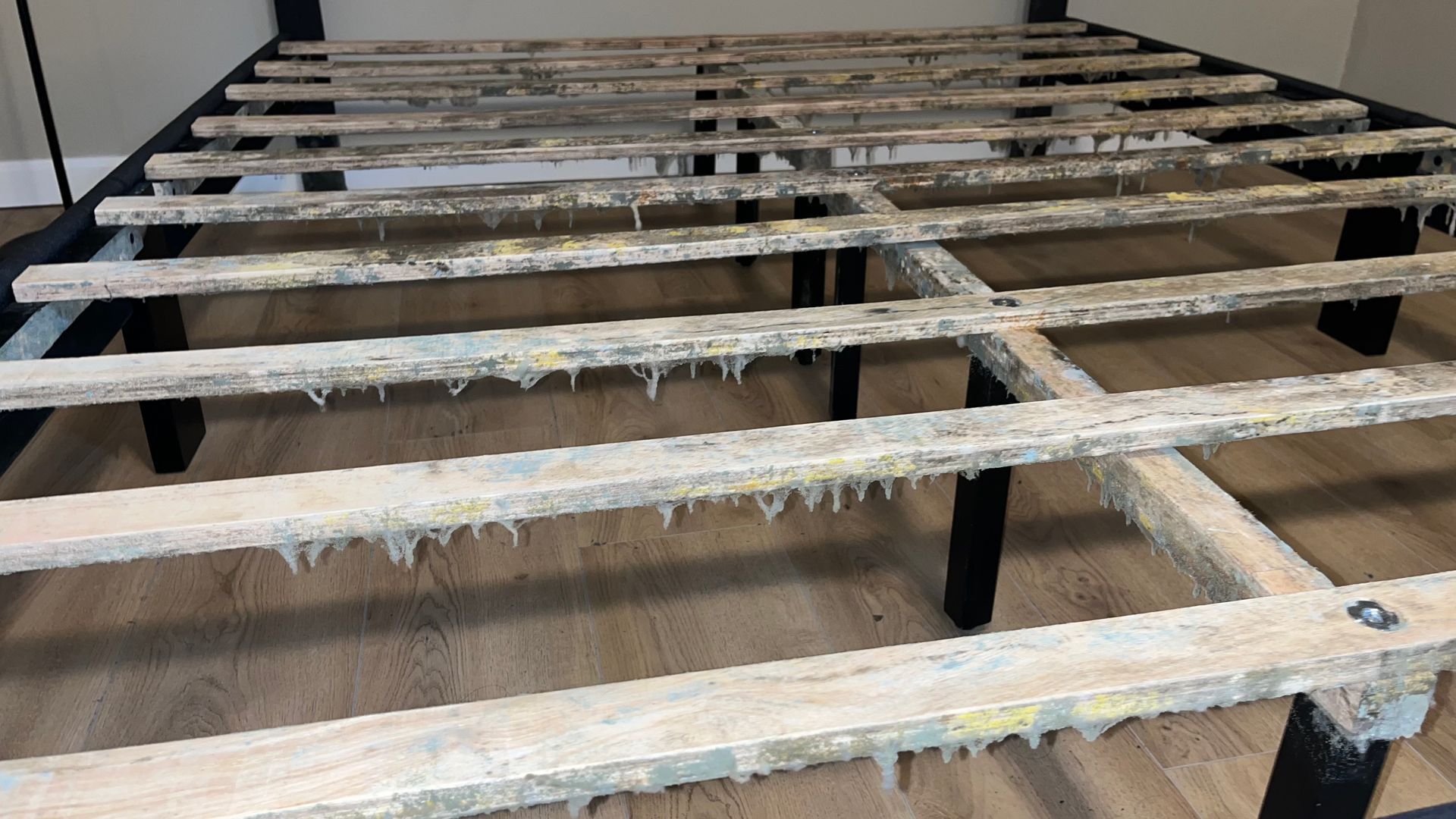
- Cladosporium – Often found on wood, carpet, fabrics, insulation, HVAC surfaces, and other areas affected by humidity or condensation. It commonly develops where there is lingering dampness or poor ventilation.
- Aspergillus – Frequently found in dust, drywall, insulation, attics, crawlspaces, and around damp building materials. It tends to thrive in warm, moist indoor conditions.
- Penicillium – Common on water-damaged drywall, wallpaper, carpet, insulation, and other porous materials after leaks or elevated humidity.
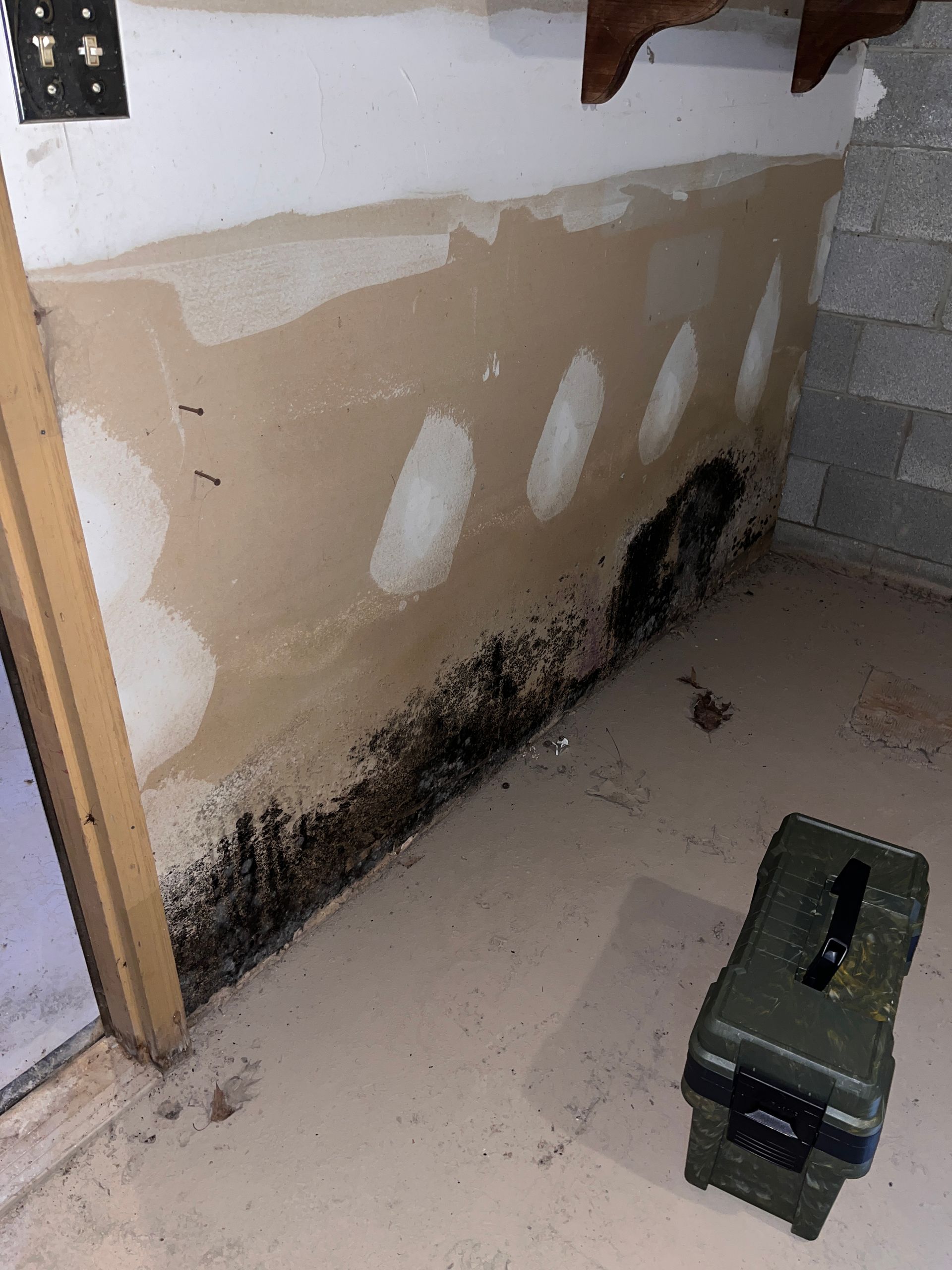
- Stachybotrys (“black mold”) – Most often found on cellulose-rich materials such as drywall, paper, gypsum board, fiberboard, ceiling tiles, and wood. CDC notes that constant moisture is typically required for it to grow.
- Chaetomium – Often associated with chronic water damage and prolonged wet conditions. It is commonly found on drywall, paper-backed materials, wood, and other cellulose-based surfaces.
- Alternaria – Common around windows, bathrooms, showers, and other damp areas with condensation or minor leaks. It may also appear where outside spores enter and settle on moist surfaces.
- Aureobasidium – Often found on window frames, painted surfaces, caulking, and damp finish materials exposed to repeated condensation.
- Fusarium – More likely in very wet environments and significant water damage, including wet carpet, drywall, wood, and other saturated materials.
- Ulocladium – Usually indicates long-term moisture problems and is often found on water-damaged drywall, basements, bathrooms, and around windows.
- Mucor – Common in very humid or damp environments, including basements, crawlspaces, HVAC areas, and surfaces affected by condensation or stale moisture.
Why Mold Keeps Coming Back
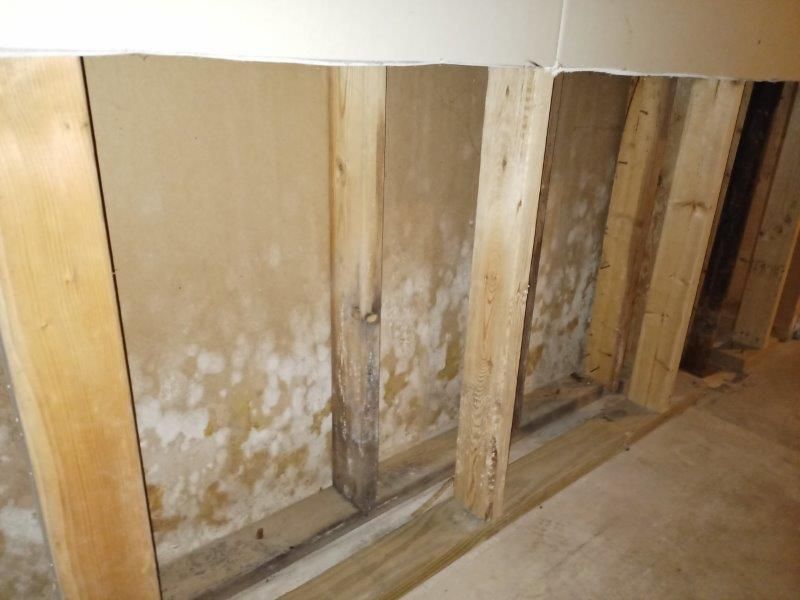
Mold problems are not always limited to what you can see on the surface. Mold can also grow behind drywall, inside wall cavities, under flooring, above ceilings, inside insulation, around HVAC components, and in crawlspaces or attics where moisture may go unnoticed. That is why effective mold remediation should address both the visible mold and the underlying moisture conditions that allowed it to develop in the first place. The CDC emphasizes that mold grows where there is moisture from leaks, flooding, or damp materials.
Take Action
If your home or business has musty odors, visible mold, water damage, or signs of elevated humidity, the problem may be larger than what is visible on the surface. Professional mold remediation helps identify affected materials, address hidden moisture issues, contain contamination, and restore healthier conditions throughout the property.
Q&A
What is mold?
Mold is a type of fungus that grows in moist environments. It reproduces through tiny spores that float in the air, and when these spores land on damp surfaces, they begin to grow and spread.
Is mold dangerous to health?
Exposure to mold can cause health problems, especially for people with allergies, asthma, or compromised immune systems. Common symptoms include sneezing, coughing, itchy eyes, skin irritation, and respiratory issues. Certain molds, like Stachybotrys (black mold), can produce toxins (mycotoxins) that may cause more severe health problems.
What causes mold growth?
- Moisture: From leaks, high humidity, or flooding.
- Food Source: Organic materials like wood, drywall, or carpets.
- Warmth: Temperatures between 60–80°F are ideal for mold growth.
Where is mold commonly found?
- Bathrooms (around showers, bathtubs, and sinks)
- Basements (on walls or carpets)
- Crawlspaces
- Kitchens (under sinks, in refrigerators)
- Around windows with condensation
- Areas with water damage or poor ventilation
How can I tell if I have mold?
Signs of mold include:
- Musty or earthy odors.
- Discoloration on walls, ceilings, or floors (green, black, brown, or white).
- Visible fuzzy or slimy growth.
- Increased allergic reactions or respiratory symptoms in occupants.
How can I prevent mold?
- Keep indoor humidity levels below 55%.
- Fix leaks in roofs, walls, and plumbing promptly.
- Use exhaust fans in bathrooms and kitchens.
- Clean and dry areas after flooding within 24–48 hours.
- Use mold-resistant paint or building materials in high-moisture areas.
Can I clean mold myself?
Small areas of mold (less than 10 square feet) can often be cleaned with household cleaners, bleach, or vinegar. However, for larger infestations or mold caused by water damage, it’s best to hire professionals to ensure thorough and safe removal.
Is all black mold toxic?
Not all black-colored mold is toxic. Stachybotrys chartarum (commonly referred to as "toxic black mold") can produce harmful mycotoxins, but other black molds may not pose the same health risks. Testing by professionals can identify the type of mold.
Does bleach kill mold?
Bleach can kill surface mold on non-porous materials but is less effective on porous surfaces like drywall or wood, where mold can penetrate deeply. For porous materials, specialized cleaning agents or replacement may be necessary.
How do I know if I need professional mold remediation?
You should consult professionals if:
- The mold covers a large area (more than 10 square feet).
- There is significant water damage.
- You experience persistent health symptoms.
- The mold is in your HVAC system or other hard-to-reach areas.
Is mold always visible?
No, mold can grow in hidden areas such as behind walls, under carpets, or inside HVAC systems. Professional testing and inspections may be needed to identify hidden mold.
What does mold smell like in a house?
Mold often produces a musty or earthy odor, similar to damp soil or wet cardboard. If you notice a persistent musty smell, especially in areas like basements or crawlspaces, mold growth may be present even if it is not immediately visible.
How fast can mold grow after water damage?
Mold can begin growing within 24–48 hours after moisture exposure. That is why water damage should be addressed quickly using professional drying equipment.
Can mold grow behind drywall?
Yes. Mold commonly grows behind drywall, under flooring, and inside insulation where moisture becomes trapped. These areas often require professional remediation to safely remove contamination.
How can I prevent mold in my home?
Prevent mold by:
fixing leaks quickly
controlling humidity
improving ventilation
maintaining crawlspace moisture barr
What color is mold?
Mold can appear in many colors including black, green, white, gray, yellow, or brown depending on the species and the surface it grows on.
Is black mold the most dangerous mold?
The mold commonly referred to as black mold (Stachybotrys chartarum) can produce mycotoxins, but many other molds can also cause health issues. All indoor mold growth should be addressed.
Can mold spread through the air?
Yes. Mold releases microscopic spores that can travel through the air and spread to other areas of the home if not properly contained during removal.
Do dehumidifiers help prevent mold?
Yes. Maintaining indoor humidity below 50% can significantly reduce the risk of mold growth. Dehumidifiers are often recommended in basements and crawlspaces.
Does mold damage the structure of a home?
Over time mold can break down organic materials such as wood, drywall, and insulation, leading to structural damage if left untreated.
What is the difference between mold removal and mold remediation?
Mold remediation refers to the complete process of removing mold contamination and correcting the moisture source, while mold removal often refers only to cleaning visible mold.
How do professionals detect hidden mold?
Professionals use tools such as:
moisture meters
thermal imaging cameras
air quality testing
spore trap sampling
These tools help identify hidden moisture and mold growth.
Can mold grow in HVAC systems?
Yes. Mold can develop inside HVAC systems and ductwork when moisture accumulates. This can spread spores throughout the home.
What humidity level causes mold growth?
Mold commonly grows when humidity levels exceed 60% for extended periods.
Is mold common in crawlspaces?
Yes. Crawlspaces are one of the most common locations for mold growth due to poor ventilation and ground moisture.
Can mold affect indoor air quality?
Yes. Mold spores in the air can affect indoor air quality and respiratory health.
Should moldy drywall be removed?
In most cases, mold-contaminated drywall must be removed and replaced because mold can penetrate the porous material.
What should I do if I find mold in my home?
Avoid disturbing the mold and contact a professional remediation company to evaluate the extent of the contamination.
Can mold grow in attics?
Yes. Mold often develops in attics due to roof leaks, poor ventilation, or bathroom exhaust vents venting improperly into the attic.
Is mold worse in older homes?
Older homes may be more prone to mold due to aging building materials, poor ventilation, or past water damage.
Still have a question?
We’d love to hear from you! Call our friendly team at (304) 685-9569 today.